The Benefits of Heater Maintenance

Why Schedule Annual Heating Maintenance?

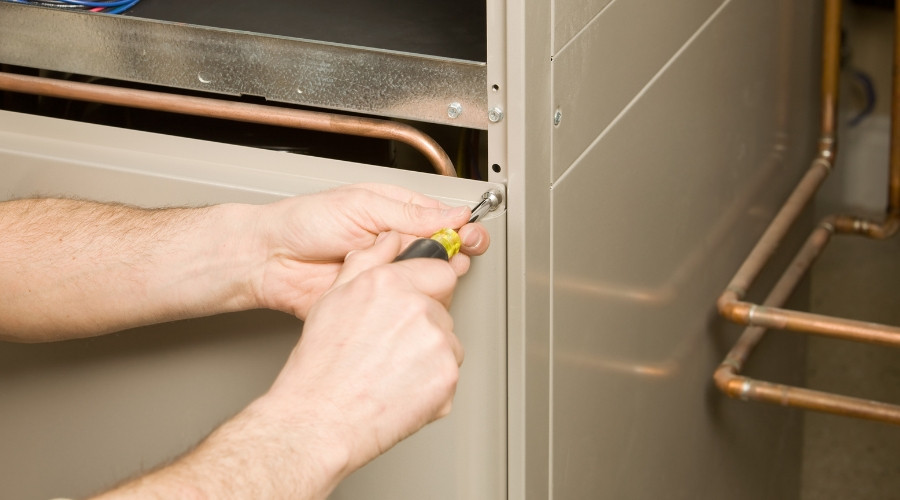
Preparing for winter is easier—and less costly—when the heating system receives routine care. Annual heating maintenance improves day‑to‑day comfort, stabilizes energy usage, reduces surprise breakdowns, and helps equipment last longer. This overview explains how scheduled heater maintenance enhances efficiency, why tune-ups prevent mid-season failures, and how a consistent furnace maintenance plan prolongs system life.

Improved Efficiency and Lower Costs

save money When a heating system is clean, calibrated, and allowing air to move freely, it doesn’t need to work as hard to deliver comfortable temperatures. Routine heater maintenance focuses on the basics that most affect efficiency: cleaning burners and heat exchangers, checking airflow and temperature rise, and confirming that controls and sensors are set correctly. Small adjustments in a heating system maintenance visit can translate into more consistent comfort with fewer, shorter run cycles.

Airflow is central to performance, which is why an air filter and furnace filter deserve special attention. A dirty filter restricts air, forcing the blower to run longer to push heat through the home. Regular air filter replacement—matched to the household’s lifestyle, pets, and filter type—keeps airflow strong and heat delivery even across rooms. For many homes, a monthly check prevents a clogged filter from undermining efficiency. When thicker media is used, a planned furnace filter replacement interval helps keep air paths open and reduces strain on motors and heat exchangers.

Beyond filtration, technicians address hidden efficiency losses. Loose electrical connections, worn belts, or incorrectly set fan speeds can each chip away at performance. A thorough heating maintenance checklist also looks for duct leaks and blocked returns that can starve the system of air. Correcting these details helps the furnace reach its setpoint faster and maintain it with less energy, which is often noticeable on utility statements over the course of the season.

More Reliable With Fewer Repairs

heater Breakdowns rarely happen without warning; they happen when early symptoms go unnoticed. Scheduling furnace maintenance before peak heating demand allows a trained professional to identify wear that could lead to an outage later. Common findings include weak igniters, cracked or brittle belts, intermittent sensors, and failing capacitors—components that can cause nuisance shutdowns when temperatures drop.

Routine heater maintenance also verifies safety and control sequences. Limit switches, pressure switches, and flame sensors must respond promptly to keep the system running smoothly and safely. When these parts are dirty or out of alignment, short cycling, lockouts, or erratic operation can follow. Catching and correcting small faults under controlled conditions is less expensive than responding to emergency calls during a cold snap and prevents stress on more expensive components.

A home that receives scheduled heating system maintenance typically experiences more predictable operation through winter’s coldest nights. With calibrated controls, a clean combustion path, and sound electrical connections, the system starts reliably, runs steadily, and recovers quickly after setbacks like door openings or thermostat adjustments. The result is fewer interruptions, fewer urgent visits, and a calmer heating season overall.

Longer Lifespan

Furnaces and air handlers are built to run for many years, but longevity depends on care. Dust, vibration, heat, and moisture each play a role in wear. Regular furnace maintenance counters these forces by cleaning heat‑transfer surfaces, lubricating moving parts where applicable, tightening connections, and confirming correct airflow so components are not overworked.

Neglected filters are a common cause of premature wear. When an air filter is clogged, the blower motor and heat exchanger experience stress from restricted airflow, which can shorten service life. Simple, consistent air filter replacement or furnace filter replacement prevents heat buildup and keeps temperatures within design limits. Likewise, clearing returns and supply registers of obstructions allows heat to move freely, lowering strain across the system.

Over time, a well‑planned maintenance routine is far less expensive than replacing major components early. By addressing minor issues before they escalate—replacing a modest part instead of waiting for a cascade of failures—equipment can reach its expected lifespan and sometimes exceed it. For older systems that still perform reliably, annual heating maintenance helps preserve value while buying time to plan for eventual upgrades on a preferred schedule, rather than in the middle of winter.

About Meridian Heating, Cooling, Plumbing & Electrical

Meridian Heating, Cooling, Plumbing & Electrical is a respected plumbing, HVAC, and electrical company committed to providing the very best service in Lansing, MI, and the neighboring areas. They offer a fast response from their trusted technicians and make use of the latest technology and leading brands. Call them today to schedule furnace maintenance in Lansing, MI.

Distribution Links +

Is a Water Softener System Needed?

Signs of Hard Water and Water Softeners Explained

Considering a water softener installation? Constant battles with soap scum, spotty glassware, and dry skin and hair often point to hard water. This guide helps determine whether a home has hard water and would benefit from installing a water softening system. Explore indicators of hard water and the advantages of water softeners. 

Signs Indicating Hard Water

dry hair Mineral-heavy hard water leaves clear evidence throughout a property that can signal the need for water softener installation. These clues show up in everyday routines and living spaces, making identification relatively straightforward.

A bathroom often reveals the first signs of hard water. Residents may notice dry, brittle hair and dry, itchy skin after showering, while soap scum accumulates quickly on fixtures, shower doors, and tubs. In the kitchen, white spots on dishes and glassware persist despite careful washing, and cloudy film can return soon after cleaning.

Beyond cosmetic issues, hard water can create more serious household problems. Scale buildup inside pipes and water-using appliances may reduce efficiency and shorten service life. Lower water pressure from faucets and showerheads can result from mineral deposits narrowing pipe openings. Laundry can also be affected, with fabrics appearing faded or feeling stiff over time due to mineral interference with detergents. In areas where hard water is common, a water softening solution can make a noticeable difference in daily routines.

How Does a Water Softener Work?

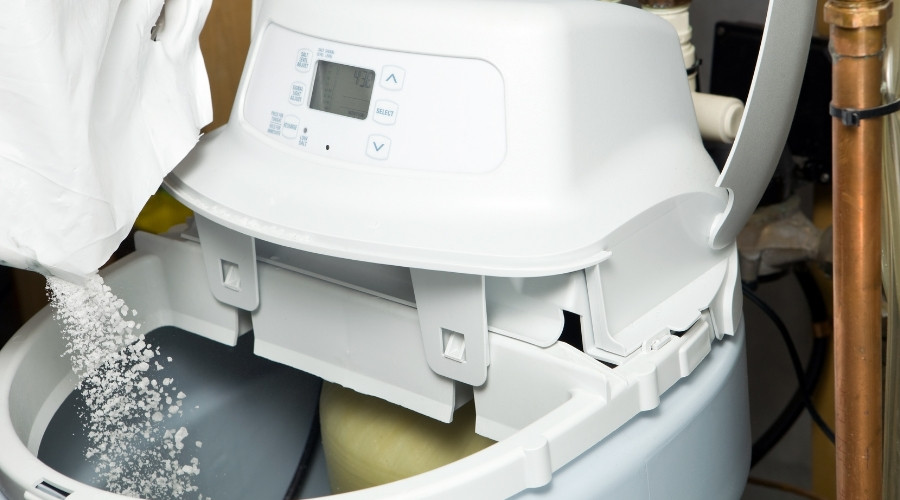
Ion exchange technology is a common method used in water softener systems, where hardness minerals are exchanged for sodium ions. During water softening, hard water passes through a resin tank filled with tiny beads designed to attract calcium and magnesium. This exchange occurs automatically whenever a tap is opened.

As water flows through the resin bed, calcium and magnesium ions adhere to the beads while sodium ions are released into the water stream. This process reduces the minerals that contribute to soap scum and scale accumulation, creating the feel and performance associated with softened water. A water softening system continuously performs this exchange during normal operation.

Over time, the resin beads become saturated with collected minerals and require regeneration. The system then initiates a cleaning cycle that flushes a brine solution through the tank, removing accumulated calcium and magnesium and preparing the resin for continued use. Many systems are designed to regenerate based on usage patterns, helping ensure steady soft water delivery across the home.

Benefits of Whole Home Water Softeners

save money Installing a water softener system can transform daily life while protecting valuable fixtures and appliances. Hard water minerals tend to create problems that compound, while soft water helps prevent those issues. Many households report improved cleaning effectiveness and reduced mineral buildup on surfaces and fixtures after water softener installation.

Dishes come out of the dishwasher cleaner and free of white film. Laundry feels softer, and colors stay brighter. The time spent scrubbing scale from faucets and showerheads often decreases because deposits form more slowly with soft water in the system.

Personal care and equipment protection improve as well. Hair becomes easier to manage, and skin may feel less dry without mineral residue. A whole-home water softener can also help water heaters, washing machines, and dishwashers operate more efficiently and last longer by minimizing scale buildup within their components, resulting in cost savings. For many properties, water softening brings a noticeable upgrade in both comfort and maintenance routines.

About Meridian Heating, Cooling, Plumbing & Electrical

Meridian Heating, Cooling, Plumbing & Electrical offers trusted plumbing, HVAC, and electrical services to the communities of Lansing and beyond. They provide high-quality products and accurate workmanship from friendly, experienced technicians. Call them today for water softener installation services in Lansing, MI.

Distribution Links +

Different Electrical Outlets and Their Uses

3 Types of Outlets and Their Advantages

Confusion around outlet types is common during renovations and upgrades. This guide explains how different electrical outlets serve everyday needs, making it easier to select safe, code-compliant options. With clear insights into AFCI outlet, GFCI outlet, and tamper-resistant outlet applications, decisions around outlet installation become simpler and more efficient.

AFCI Outlets

outlet Arc Fault Circuit Interrupter (AFCI) outlets help prevent electrical fires by detecting dangerous arcing and shutting off power instantly. An AFCI outlet continuously monitors current patterns and responds to abnormal signatures before overheating or ignition occurs. Unlike traditional breakers that respond mainly to overloads, these devices offer advanced arc fault protection across connected wiring and the electrical outlet itself.

Current electrical codes require AFCI protection in many living areas, including bedrooms, family rooms, and similar spaces. During major upgrades or new electrical outlet installation, combination AFCI devices are often recommended to protect both the outlet and downstream circuits. For remodels and electrical outlet installation in older properties, adding AFCI coverage enhances fire prevention while reducing nuisance trips found in earlier technologies.

GFCI Outlets

outlet Ground Fault Circuit Interrupter (GFCI) outlets protect against electric shock by shutting off power within milliseconds when a ground fault is detected. A GFCI outlet constantly compares current between hot and neutral conductors and trips on tiny imbalances, often as little as 4–6 milliamps. These safety devices are essential where moisture and electricity may interact.

Code requires GFCI protection in bathrooms, kitchens, laundry areas, garages, unfinished basements, exteriors, and around pools or spas. Installing a GFCI outlet helps reduce electrocution risks associated with wet conditions, damaged cords, or deteriorating insulation. Professional electrical outlet installation ensures correct line/load wiring, placement, and testing—especially important for workshops, utility rooms, and outdoor receptacles.

Childproof Outlets

Tamper-resistant outlets—commonly called childproof outlets—feature internal spring-loaded shutters that open only when equal pressure is applied to both slots, as with a standard plug. This design prevents the insertion of small objects and provides continuous protection without removable caps. A tamper-resistant outlet resets automatically after each use, offering a permanent safeguard built into the electrical outlet.

The National Electrical Code requires tamper-resistant outlet installation in most residential spaces, including bedrooms, living rooms, dining rooms, kitchens, and bathrooms. For households with young children or frequent child visitors, retrofitting older receptacles with childproof outlet designs significantly improves safety. During broader electrical outlet installation projects, upgrading to tamper-resistant versions is a practical step that aligns with modern codes and reduces risk throughout the home.

In summary, the right outlet choice depends on location and hazard exposure: an AFCI outlet for arc fault protection in living areas, a GFCI outlet for shock protection in wet or damp zones, and a tamper-resistant outlet for built-in child safety. Coordinated outlet installation or full electrical outlet installation ensures each outlet type is used where it offers the most protection and performance.

About Meridian Heating, Cooling, Plumbing & Electrical

Meridian Heating, Cooling, Plumbing & Electrical proudly provides unbeatable plumbing, heating, cooling, and electrical services in Lansing and the surrounding areas. They guarantee fast response from trusted technicians and leading technology from the best brands. Call today for electrical outlet services in Lansing, MI.

Distribution Links +

The Homeowner's Guide to Refrigerant

Pink refrigerant tank with pressure gauges and hoses, essential tools for air conditioning maintenance and refrigerant management.

Refrigerant and Signs of Refrigerant Issues Explained

Understanding refrigerant and its role in air conditioning systems is essential for maintaining efficient performance and avoiding expensive breakdowns. This guide sheds light on the function of refrigerant and provides practical advice on identifying and preventing common cooling system issues. With expert knowledge, homeowners can ensure optimal comfort and system reliability throughout the warmer months.

How Refrigerant Works in an Air Conditioning System

Refrigerant plays a crucial role in how an air conditioning system cools a space. This chemical compound absorbs heat from inside the home and carries it outside through a continuous cycle of evaporation and condensation. Without it, an air conditioner wouldn't be able to remove heat effectively.

The process begins when liquid refrigerant enters the evaporator coil. As warm air passes over the coil, the refrigerant absorbs that heat and turns into a vapor. This vapor then travels to the compressor, where it's pressurized and moved to the outdoor condenser coil. There, it releases the collected heat and returns to a liquid form. According to the Air Conditioning, Heating, and Refrigeration Institute, a 3-ton residential system can remove up to 36,000 BTUs of heat per hour through this cycle.

As this process repeats, air conditioning refrigerant helps regulate indoor temperatures while maintaining system energy efficiency.

Signs of a Refrigerant Leak or Overcharged Refrigerant

Woman sitting on a couch in a modern kitchen, using a laptop and holding a blue fan, illustrating the need for effective air conditioning and comfort during warm weather.The amount of refrigerant in a system has a direct impact on its performance. Both low levels—often caused by a refrigerant leak—and high levels due to overcharged refrigerant can lead to reduced comfort and increased energy use.

One of the most noticeable warning signs is warm air coming from vents when the AC is on. Another is a frozen evaporator coil, which suggests that refrigerant may be too low to absorb heat effectively. Other red flags include bubbling or hissing noises near the outdoor unit and visible ice buildup on refrigerant lines, even during hot weather.

Incorrect refrigerant levels also strain the compressor, forcing it to work harder. This added pressure can drive up electricity bills and lead to long-term damage. Suppose the AC runs constantly without reaching the thermostat setting. In that case, the system may require refrigerant leak repair or a professional check to determine whether refrigerant needs to be safely removed or replenished.

How to Avoid Refrigerant Issues

Technician using refrigerant gauges with a thumbs-up gesture, indicating successful refrigerant level adjustment in an air conditioning unit, emphasizing professional HVAC maintenance.To avoid problems, refrigerant should only be handled by licensed HVAC professionals. Attempting to refill refrigerant without proper training can result in overcharged refrigerant levels, which can damage the compressor and reduce system efficiency. Certified technicians have the necessary equipment to safely measure and adjust refrigerant levels.

Preventive maintenance is also essential. During a routine AC maintenance visit, a technician can inspect refrigerant lines, clean coils, and check for pressure irregularities. Removing buildup and corrosion helps prevent leaks and extends the unit's lifespan.

Improper refrigerant handling is a leading cause of early AC failures. Professional service ensures compliance with EPA guidelines and supports better long-term performance. Annual maintenance is a smart way to keep systems running smoothly while avoiding surprises during the peak cooling season.

About Meridian Heating, Cooling, Plumbing & Electrical

Meridian Heating, Cooling, Plumbing & Electrical is a community-minded plumbing, heating, cooling, remodeling, and electrical services provider, offering expert assistance to the people of Lansing and the surrounding areas. With superior customer service and fast response times from highly trained technicians, satisfaction is guaranteed. Call now for air conditioning repair and maintenance in Lansing, MI.

Tips for Identifying Water Leaks

Copper pipe with a water leak, droplets forming on the surface, illustrating signs of plumbing issues related to water leaks and damage.

Signs of Water Leaks

Water leaks are one of the most common causes of rising water bills, structural water damage, and mold growth. Many leaks remain hidden until they cause visible damage, making early water leak detection critical. Learning the signs of a water leak and knowing how to identify leaks are vital in preventing unnecessary costs and stress.

High Water Bills

A sudden increase in a water bill is often the first indication of a hidden water leak that requires immediate attention. Ignoring a high water bill can lead to continual water loss, greater structural water damage, and escalating repair bills over time.

If high water bills persist from month to month, but there is no apparent explanation, this is a strong warning of a leak somewhere in the plumbing system. Even a small leak can waste hundreds or thousands of gallons each month, quickly driving up costs.

Taking action at the first sign of an unexpectedly high water bill by scheduling water leak detection can prevent significant future expenses and headaches.

Other Signs of a Leak

Showerhead with water flowing, illustrating signs of potential plumbing issues related to water leaks and low water pressure.Besides water bills, homeowners should be aware of other physical and sensory signs that reveal the presence of a water leak.

  • Low Water Pressure: If faucets, showerheads, or other fixtures experience weak water pressure, a leak may be diverting water before it reaches the fixture. 
  • Running Water Sounds With Fixtures Off: If homeowners hear water running inside walls, floors, or ceilings when all fixtures are turned off, this points to an active water leak behind surfaces.
  • Mold or Mildew Growth: Unexplained patches of mold or mildew, especially away from bathrooms or kitchens, often result from lingering moisture due to a water leak. Mold can pose health risks and compound water damage.
  • Water Stains or Damage: Stains, discoloration, warped floors, bubbling paint, or soft spots in walls, ceilings, or floors are classic signs of ongoing water leaks. These can indicate extensive hidden water damage that requires urgent leak repair.
  • Musty Odors: Persistent musty or damp smells are signs that water is accumulating somewhere unseen, creating an ideal environment for mold and bacteria from an unresolved leak.
  • Visible Puddles or Dampness: Pooled water or unexplained damp areas, especially around toilets, tubs, behind appliances, or in the basement, are direct evidence of a current water leak.

Spotting these signs early and calling for professional leak detection can minimize water damage, mold growth, and repair costs.

Use the Water Meter

Water meter showing current reading, essential for detecting plumbing leaks and monitoring water usage.The water meter serves as a powerful tool for confirming a water leak, even when other visible or auditory signs are missing. Start by shutting off all water in the home, including faucets, appliances, sprinklers, and more. Ensure that no one uses water during the test.

Homeowners can record the current water meter reading, wait 30–60 minutes without using any water, and then recheck the reading. If the number increases, this signals a water leak somewhere in the plumbing system. Regularly checking the water meter can help identify leaks before they cause significant water damage or result in substantial fluctuations on the water bill.

Most modern water meters also have a small leak indicator dial or triangle. If this indicator is spinning while all water is off, a leak is highly likely. If the meter test suggests a leak or if any signs listed above are present, homeowners should call a plumber for water leak detection and prompt leak repair. This simple test offers peace of mind and can help prevent major water damage in the long run.

About Meridian Heating, Cooling, Plumbing & Electrical

Meridian Heating, Cooling, Plumbing & Electrical partners with leading manufacturers to provide clients with the products they need, installed to code by their professional team. They offer flexible scheduling and upfront pricing. Call now for water leak repair in East Lansing, MI.

Distribution Links +